
OVERVIEW
Why EnableME2 Exists
The Context: More Than a Job Crisis
South Africa has a financial literacy crisis.
Millions of young people leave school without understanding how to budget, save, or manage debt.
Even fewer know how to start a business, even though entrepreneurship is the most viable path to employment in our economy.
EnableME was built to change that.
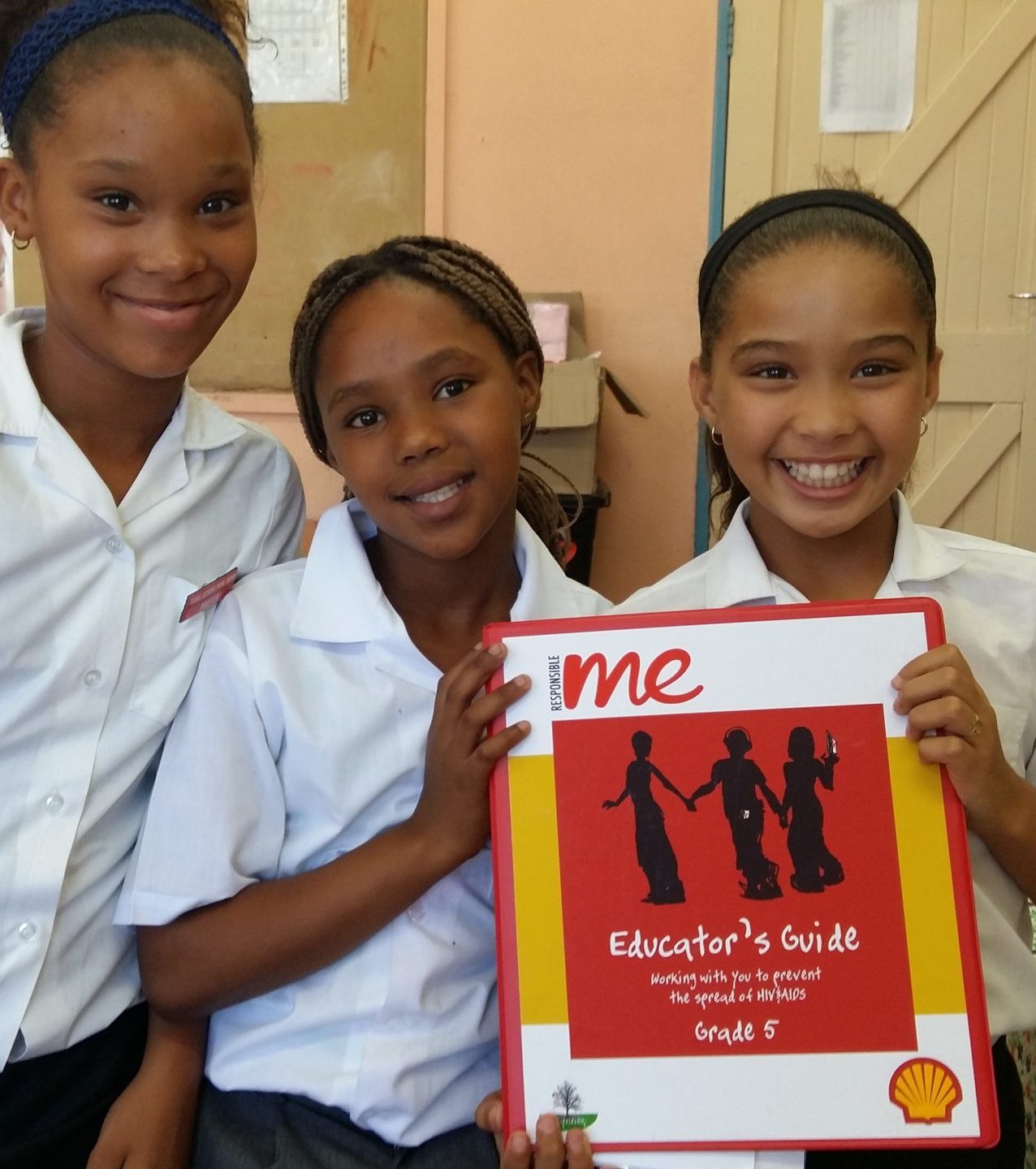
The EnableMe2 Solution
We go into schools and teach learners the skills that the curriculum leaves out. Skills that lead to jobs. Skills that lead to businesses. Skills that lead to dignity.
Our programme is practical, not theoretical. Every learner leaves with a bank account, a business plan, and the confidence to earn.
What Entrepeneurship Looks Like Here
Tuck shop / Spaza support
How It Works
Help family run a small shop – stock control, pricing, customer service
Why It’s Accessible
Builds on existing family activity
Vegetable garden
How It Works
Small plot, sells surplus to neighbours
Why It’s Accessible
Low start-up cost; immediate need
Baking / Cooking
How It Works
Sells goods to learners or the community
Why It’s Accessible
Minimal equipment; daily demand
Cellphone charging
How It Works
Charges phones for a small fee using car battery or solar
Why It’s Accessible
Low skill; high demand
Hair braiding / Grooming
How It Works
A learner with skills offers service locally
Why It’s Accessible
Skill-based; no capital needed
Homework / Tutoring
How It Works
Older learner helps younger for a small fee
Why It’s Accessible
Uses existing ability
Recycling collection
How It Works
Collects and sells recyclable materials
Why It’s Accessible
No cost to start; environmental benefit
Event assistance
How It Works
Helps at local functions (cleaning, setup) for payment
Why It’s Accessible
Labour-based; community need
These aren’t fantasies. They’re micro-enterprises already happening in townships and rural areas.
The Deeper Point: Dignity and Self-Reliance
The harshest reality of poverty isn’t just material – it’s the feeling of powerlessness. The belief that your circumstances are fixed and you have no control.
Financial literacy + entrepreneurship together say:
“You may not have much now. But you can learn to spot opportunities. You can make small decisions that improve your position. You aren’t trapped.”
That message matters as much as the skills themselves.
The Solution: How EnableME2 Creates Change
What we teach
- Spotting opportunities in their own communities
- Managing the small income they generate
- Separating business money from personal money
- Building something, step by step
It’s not about getting rich quickly. It’s about self-reliance.
Our new positioning:
“We give young people in tough environments the tools to spot opportunities, manage scarce resources, and build self-reliance – so they can create their own pathways out of poverty.”
Frequently Asked Questions (FAQs)
EnableME2 is a 10-week, school-based programme that teaches financial literacy and entrepreneurship to South African learners.
Learners in grades 7-11, typically aged 14–18, in underserved communities.
By corporate partners who sponsor cohorts at specific schools. Their investment covers materials, facilitation, and impact reporting.
We track attendance, business plans completed, businesses launched, and income generated. Every cohort produces a detailed impact report.
Schools in underserved communities are prioritised. Interested schools can register through our website.
Contact us through the website. We’ll discuss your objectives and match you with schools and communities that align with your CSI priorities.
We track micro-enterprise starts, income generated, and learner confidence – not just savings rates.